Health
Health & Nutrition
Maternal, newborn, and child health services, community nutrition, disease prevention, and WASH support for vulnerable populations.

Usba Ago
Empowering vulnerable communities
Empowering vulnerable communities
 Explore
What we do
Our work spans seven thematic areas, designed with communities, not for them, across Ethiopia and expanding nationwide.
Health
Maternal, newborn, and child health services, community nutrition, disease prevention, and WASH support for vulnerable populations.
Education
Primary and secondary education support, vocational and digital skills training, and leadership programs for youth.
Equality
Women's economic and leadership empowerment, GBV prevention and response, and capacity building for women, youth, and persons with disabilities.
Livelihoods
Vocational training, entrepreneurship support, and income-generating activities to strengthen household economic resilience.
Environment
Climate resilience, water and sanitation infrastructure, hygiene promotion, and environmental sustainability in remote communities.
Peace
Conflict prevention, dialogue and reconciliation, and strengthening local governance and accountability structures.
Emergency
Emergency shelter, essential non-food items, and assistance for displaced populations during crises, with pathways to recovery.
From the field
Documented responses and programs from 2023–2025: cholera outbreak coordination, earthquake relief, mental health training, and more.
 Capacity Building
2024 • Ethiopia
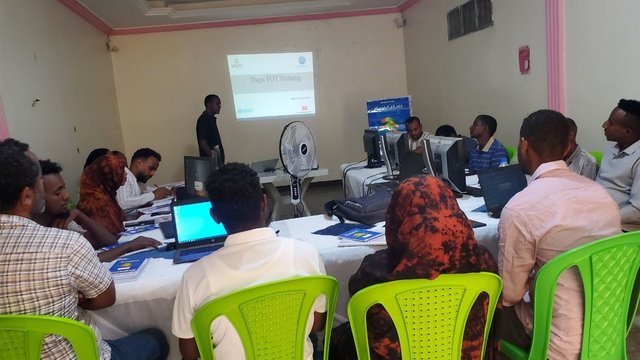
Qusba Qaago implemented the Mental Health Gap Action Program (mhGAP-HIG) training for healthcare workers in 2024, aimed at reducing the mental health service gap in remote communities across Ethiopia.
Read story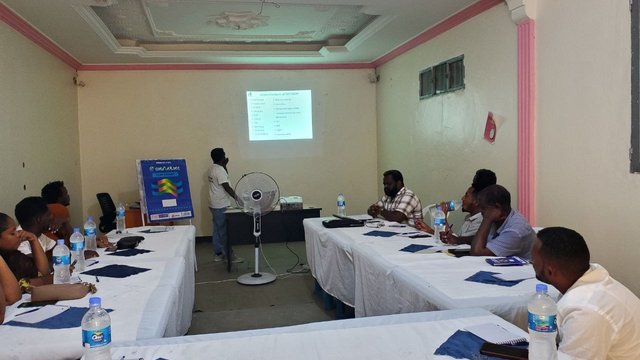 Health
2023 • Ethiopia
In 2023, Qusba Qaago (Usba Ago) responded swiftly to a cholera outbreak. The organization coordinated with regional health bureaus, local health facilities, and international partners including WHO to implement a comprehensive response plan.
Read story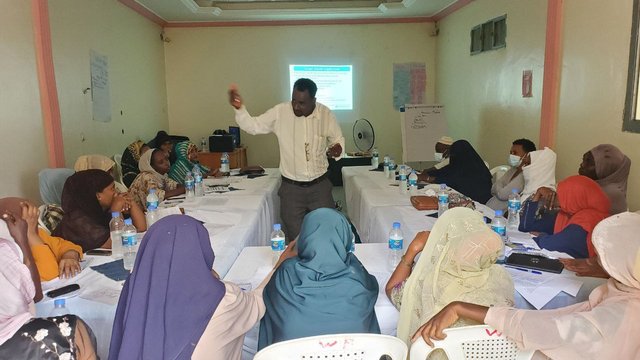 Emergency
2023 • Ethiopia
Following the devastating 2023 earthquake, Qusba Qaago mobilized emergency support for displaced communities. Field teams conducted rapid needs assessments to identify affected households and prioritize urgent interventions.
Read story